What Clients Appreciate Most in a Criminal Defense Lawyer in Lafayette LA

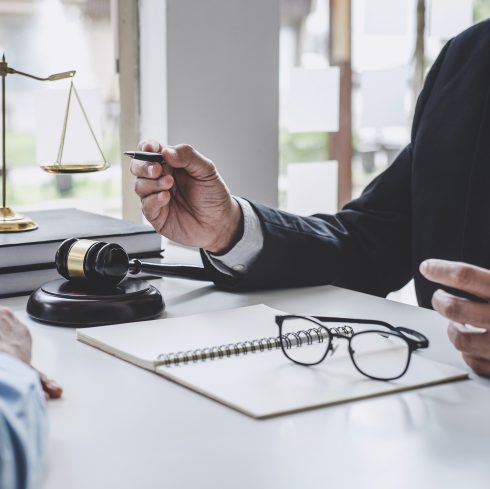
When someone is charged with a crime, appreciation takes on a different meaning. Clients are not grading a restaurant or reviewing a home contractor. They are measuring something far more personal. They are asking whether the lawyer standing beside them can protect their freedom, their reputation, their job, and in many cases their family life.
That is especially true in a place like Lafayette, where personal and professional circles overlap more than many outsiders realize. A criminal accusation can travel fast. Employers hear about it. Neighbors talk. Family members worry. Even before a case reaches a courtroom, the damage can begin. In that environment, what clients value most in a criminal defense lawyer is not flashy advertising or theatrical courtroom talk. It is steadiness, judgment, and the ability to move a case forward with purpose.
People looking for a criminal defense lawyer Lafayette LA often start with the same concern: “Can this person actually help me?” Fair question. But after years of watching clients move through the criminal process, it becomes clear that what they appreciate most is usually broader than legal knowledge alone. They want competence, yes. They also want clarity, accessibility, respect, and a lawyer who can separate real risks from panic.
Calm matters more than bravado
Many clients come into a first meeting carrying a level of stress that is hard to overstate. Some have never been arrested before. Some have spent a night in jail and are still trying to understand what happened. Some are dealing with a charge that could threaten a professional license, a scholarship, immigration status, or custody arrangement. In that moment, they are not helped by chest-thumping.
Clients appreciate a lawyer who can lower the temperature without minimizing the stakes.
That kind of calm is not passive. It does not mean telling a frightened person that everything will “probably work out.” It means explaining what the charge is, what the next hearing means, what deadlines matter, and what realistic outcomes are on the table. A seasoned defense lawyer knows that panic leads people to make bad decisions. They talk too much to police. They contact witnesses when they should not. They post online. They skip court because they are embarrassed. Good counsel interrupts that spiral.
In practice, calm often sounds simple. “Do not discuss the facts of your case over text.” “Be early to court.” “Drug testing may become a condition of release, so prepare for that.” “A first court date is often procedural, not the final battle.” Those sentences do more for a client than a speech about being a “fighter.”
Clients remember the lawyer who gave them a stable footing when everything felt slippery.
Straight answers, even when the answer is uncomfortable
One of the quickest ways to lose a client’s trust is to tell them only what they want to hear. People facing charges often arrive hoping for certainty. They want someone to say the case will be dismissed, the evidence is weak, the witness will disappear, the judge will be lenient. Sometimes those outcomes happen. Often, the early facts do not support that confidence.
What clients appreciate most is candor.
A strong defense lawyer can say, “The stop may be challengeable, but I need to review body camera footage before I can advise you.” Or, “If the state can prove prior convictions, the exposure is much more serious than you think.” Or, “This is not a case I would rush to trial without a clear strategic reason.” Those are not easy conversations, but clients value them because they can start making informed decisions instead of clinging to false hope.
This matters in Lafayette because many criminal cases involve a mix of local procedure and practical realities that are not obvious from reading a statute online. A charge that sounds minor can carry hidden consequences. A misdemeanor domestic allegation can affect firearm rights or future employment. A DWI can trigger license issues, insurance consequences, and work disruptions that far outlast a fine. A felony accusation can reshape every part of a person’s life before guilt is ever decided.
The lawyer who levels with a client early tends to earn deeper trust later.
Responsiveness is not a luxury
There is a practical side to client appreciation that should not be romanticized. People want calls returned. They want to know whether court has been reset. They want to know if a plea offer came in. They want to know whether they need to appear in person, whether they should bring proof of treatment, whether bond conditions changed, and whether a warrant is active.
Silence creates suspicion fast.
Even sophisticated clients, including business owners, nurses, teachers, and plant workers who deal with pressure every day, can become deeply uneasy when they hear nothing from counsel. They begin to assume the worst. Some start calling the clerk, the prosecutor’s office, or friends who “know someone at the courthouse,” which usually creates more confusion than clarity.
What clients appreciate is not constant hand-holding. It is reliable communication. That can mean quick acknowledgment even when there Criminal defense lawyer Lafayette LA is no major update yet. “I received the discovery today and I am reviewing it.” “Your next date remains set for the 14th.” “Do not contact the complaining witness.” “I need two more days to evaluate the offer.” Those short updates make a significant difference.
Responsiveness also signals discipline. A lawyer who handles communication well usually handles deadlines well. Clients may not say it in those terms, but they feel it. When someone is trusting a defense lawyer with a criminal case, they want evidence that the file is being actively managed, not left to drift.
Local familiarity counts, but not in the way people think
Clients often say they want a lawyer who “knows the local system.” That phrase gets thrown around loosely, but there is real substance behind it.
A criminal defense lawyer in Lafayette LA who regularly practices in the area tends to understand more than the black-letter law. They know how certain dockets move. They understand the practical rhythm of local courts. They recognize what prosecutors may focus on in plea discussions, what kinds of mitigation are persuasive, and how certain fact patterns tend to be received. They know the value of timing, preparation, and presentation in a courthouse where reputation matters.
That said, clients appreciate the right kind of local knowledge, not empty claims of insider access. No ethical lawyer should suggest they can guarantee a result because they know a judge or prosecutor. That is not how serious representation works. What matters is informed judgment. There is a difference between walking into a courtroom blind and walking in with an understanding of procedure, expectations, and common pressure points in local cases.
A simple example illustrates the point. In some cases, getting a client evaluated early for substance abuse treatment or anger management can materially improve negotiations or sentencing posture. In others, doing that too soon can be premature or strategically unhelpful. Knowing when those steps genuinely help is part of local experience and part of legal experience. Clients appreciate a lawyer who can make that call based on more than guesswork.
Preparation shows up in small details
Most clients cannot independently evaluate whether a suppression argument is strong or whether a charging instrument has a technical defect. They are not expected to. What they can evaluate, often with remarkable accuracy, is whether their lawyer appears prepared.
Prepared lawyers ask focused questions. They request documents quickly. They want names, timelines, screenshots, prior case information, bond paperwork, and medical or employment records when relevant. They notice inconsistencies. They ask whether there were children present, whether statements were recorded, whether a car was searched before or after consent, whether a witness has a motive to exaggerate, whether there is surveillance footage nearby.
Those details matter because criminal cases often turn on facts that seem small at first. The exact words used during a police encounter. The order of events during a stop. Whether an officer smelled alcohol before or after asking someone to exit a vehicle. Whether a reported injury was photographed. Whether a text message was sent before or after a confrontation. Whether a witness can truly identify who touched what.
Clients appreciate when a lawyer treats these facts as live material, not background noise.
Preparation also has a visible component in court. A prepared defense lawyer knows the file, speaks precisely, and does not fumble basic dates or names. They are not performing confidence. They have done the work. Even anxious clients can sense that difference. And when clients see their lawyer prepared, they are more likely to follow advice, gather requested materials, and stay engaged in their own defense.
Respect matters, especially when a client is embarrassed
Many people accused of crimes carry shame long before a case is resolved. Some are ashamed because they made a mistake. Some are ashamed because they insist they did nothing wrong and still feel publicly marked. Some are ashamed because family members now know painful details about addiction, mental health struggles, financial pressure, or relationship conflict.
A lawyer who treats a client with respect can do a great deal of good before any legal argument is made.
Respect does not mean agreeing with everything a client says. It means listening carefully, explaining the process without condescension, and recognizing that even a guilty client is still entitled to dignity and a vigorous defense. Clients notice whether they are interrupted. They notice whether their concerns are dismissed as unrealistic. They notice whether their lawyer talks to them like a person or like a problem.
This becomes especially important in cases involving college students, first-time offenders, and working professionals. A 19-year-old facing a possession charge may be terrified of telling ikerdlaw.com Criminal defense lawyer Lafayette LA parents or losing financial aid. A nurse charged with theft may be less worried about jail than about board reporting and employability. A father accused after a domestic dispute may be consumed by fear that he will not see his children. The legal issue is never the only issue.
Clients appreciate the lawyer who understands the whole picture.
Strategy beats slogans
People often use the word “aggressive” when they describe the kind of lawyer they want. There is nothing wrong with toughness. Criminal defense requires it. But clients who have been through the system, or who work closely with a good lawyer over time, usually discover that strategy matters more than style.
Sometimes the strongest move is filing a motion quickly and forcing the state to justify a search or seizure. Sometimes it is waiting for more discovery before showing your hand. Sometimes it is pressing hard for dismissal. Sometimes it is building mitigation because the facts are bad and the real goal is damage control. Sometimes trial is the right call. Sometimes trial is emotional but reckless.
Clients appreciate a lawyer who can explain those trade-offs.
A well-handled defense often involves choices that are not obvious from the outside. For example, in a DWI case, the fight may center on the stop, field sobriety procedures, chemical testing, video evidence, or the officer’s credibility. In a battery case, the core issue may be self-defense, witness reliability, conflicting injuries, or whether the alleged contact even meets the charged offense. In a drug case, possession, knowledge, and constitutional search issues can each point the defense in a different direction.
The best criminal defense lawyer Lafayette LA clients tend to value is not the loudest person in the room. It is the one who can tell them why a specific path makes sense for their specific facts.
Clients value honesty about cost and scope
Criminal defense representation is expensive because the stakes are high and the work can be intense. Clients appreciate transparency about fees more than lawyers sometimes realize.
That means being clear about what is included, what may cost extra, and what events can change the scope of the case. If a fee covers pretrial representation but not trial, say that plainly. If expert witnesses, investigators, or extensive motion practice may require additional expense, clients should hear that early. If an old probation matter, bench warrant, or separate agency hearing could complicate the case, that should be part of the conversation.
Surprises over billing damage trust quickly, even where the legal work is solid.
There is also a practical dimension here. Clients making bond payments, missing work for court, paying towing fees, or dealing with license suspensions are often under real financial strain. They do not expect defense work to be cheap. They do expect clarity. A lawyer who can explain value in concrete terms, case assessment, motion review, court appearances, negotiation, trial preparation, usually earns more respect than one who quotes a fee and leaves the rest vague.
Judgment under pressure is hard to fake
A lot of what clients appreciate cannot be reduced to a website promise. It comes out in moments of pressure.
Can the lawyer quickly recognize when a client is about to make a damaging statement in court? Can they tell when a plea offer is fair, insulting, or deceptively risky? Can they adapt when a witness says something unexpected? Can they distinguish between a case that should be contested aggressively and a case where early accountability might produce a much better result?
This kind of judgment is difficult to market, but clients feel it when they see it.
Consider a common scenario. A client wants to “tell the judge everything” at an early appearance because they are convinced the misunderstanding can be cleared up on the spot. An inexperienced or inattentive lawyer may let that impulse run. A seasoned one knows that courtroom explanations, especially without full discovery, often create admissions and close off defenses. The appreciated lawyer is the one who says, firmly and respectfully, “Not today. Let me handle this the right way.”
That same judgment appears in quieter decisions too. Whether to seek a continuance or push ahead. Whether to advise voluntary counseling now or hold off. Whether to contact the prosecutor immediately or after reviewing all reports. Whether to negotiate narrowly around one count or attack the larger theory of the case. Clients may not know each doctrinal reason, but they recognize when a lawyer is steering with confidence rather than reacting in panic.
Results matter, but clients often define results broadly
Of course clients care about outcomes. Dismissals, acquittals, reductions, favorable plea terms, diversion options, and sentencing results all matter. They matter a great deal.
Still, clients often appreciate lawyers for more than the final label attached to the case. A person whose charge is reduced may be deeply grateful because the original accusation threatened a career-ending consequence. A client who receives probation instead of jail may see that result as life-changing even if the case did not disappear. A parent who regains predictable visitation while charges are pending may view that stability as a major win. A student who avoids a felony record may preserve opportunities that would otherwise vanish.
Good defense work often consists of limiting damage in smart, disciplined ways.
That is another reason honest communication matters so much. When clients understand the true range of possible outcomes, they can better recognize strong lawyering when it happens. They know the value of a reduced charge, a protected record where possible, a carefully negotiated sentence, or a constitutional issue that weakens the prosecution’s leverage.
What tends to stay with clients after the case ends
Long after a case is over, people tend to remember a handful of things. They remember whether their lawyer listened at the beginning. They remember whether promises matched reality. They remember whether calls were returned. They remember whether the lawyer seemed prepared when it counted. They remember whether they were treated like a human being on one of the worst days of their life.
That is why client appreciation in criminal defense looks different from many other fields. A criminal defense lawyer is not simply providing a service. They are guiding a person through fear, uncertainty, and public exposure while making strategic legal decisions that can alter the course of a life.
In Lafayette, where reputation, community ties, and practical consequences can weigh heavily, those qualities stand out even more. People want a lawyer who knows the law, knows the courthouse, tells the truth, answers the phone, prepares thoroughly, and exercises sound judgment under pressure.
Clients may start by asking who is the toughest lawyer or who gets the best deals. Fair enough. But what they end up appreciating most is usually more grounded than that. They value a defense lawyer who is credible, capable, and steady when everything else feels unstable. That kind of representation is not flashy. It is far more important.
Ikerd Law Firm
600 Jefferson St Ste 903
Lafayette, LA 70501
(337) 366-8994
FAQ About Criminal defense lawyer Lafayette LA
How much does a criminal lawyer cost in Louisiana?
Fees vary with the charges, complexity, expected work, and attorney's experience. Ask for a written fee agreement explaining the services included, payment schedule, and any separate expenses before hiring counsel. An initial consultation can help clarify the likely scope and cost of representation.
Who is the best criminal defense attorney in Lafayette, LA?
There is no single attorney who is the best fit for every case. Look for a Louisiana-licensed lawyer with experience handling similar charges, clear communication, and a fee arrangement you understand. Discuss the lawyer's approach during a consultation, and be cautious of anyone who guarantees a result.
How to afford a criminal defense lawyer?
Ask prospective attorneys about their fees and whether payment arrangements are available. If you cannot afford representation, ask the court or local public defender's office how to apply for appointed counsel. Eligibility depends on your finances, the case, and applicable requirements; appointment is not automatic.